What Happens During a 3 AM Emergency HVAC Service Call?
Doggone Good Heating and Cooling
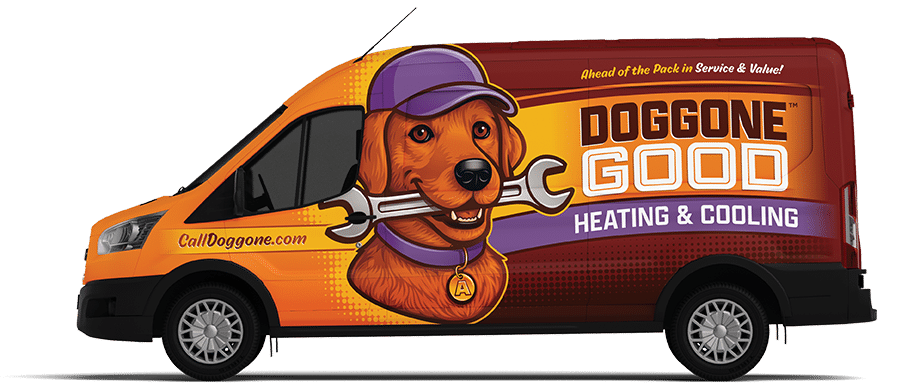

Waking up to a silent, sweltering house forces a tough late-night decision. See exactly how an after-hours technician triages your AC system to determine if you need an immediate fix.
When the Cold Air Stops: Facing a 3 AM Breakdown
The deep heat of summer in the South does not take a break when the sun goes down, which is why understanding The Anatomy of a 3 AM Emergency HVAC Service Call During a July Heatwave is so important for homeowners. If you wake up in a pitch-black house and notice an eerie silence where the familiar hum of the air conditioner usually sits, reality sets in fast. The indoor temperature is already climbing, the air feels heavy, and you realize that a comfortable night of sleep is suddenly out of reach.
If you are already experiencing a complete system failure, do not wait until morning—reach out for 24/7 emergency AC service in Baton Rouge right now to get an expert on the way. Our team at Doggone Good Heating & Cooling knows firsthand how quickly a home can become unbearable without functioning air conditioning.
Waking up to a silent house means facing rapidly rising indoor temperatures. Natural ventilation is simply impossible during peak summer nights in our region. Opening a window during a July heatwave does not bring in a cool breeze; it just invites thick, stagnant, humid air inside, making the house feel even more suffocating. This leaves homeowners facing a difficult late-night debate: do you try to suffer through the sweltering heat until standard business hours, or do you call for emergency intervention?
Bringing a professional out before dawn is not just about immediate comfort; it is about protecting your home's interior and your family's well-being. A systematic triage process takes place the moment our technician arrives, designed to quickly identify the root cause of the failure. By understanding exactly what happens during these after-hours visits, you can feel confident in your decision to make that middle-of-the-night phone call.
Dispatch and Arrival: Rapid Response While the City Sleeps
Immediate human connection is the most critical first step when your cooling system fails overnight. When you realize your home is rapidly heating up, the last thing you want is to leave a voicemail and hope someone hears it by sunrise. When you call us, our team at Doggone Good Heating & Cooling answers the phone directly with real personnel, avoiding the frustrating third-party answering service black hole typical of competitors at 3 AM. Speaking to our knowledgeable dispatchers immediately sets the diagnostic process in motion.
Rapid mobilization happens the moment your details are logged. Technicians are dispatched in fully stocked diagnostic vehicles, carrying the specialized tools and common replacement parts needed to address the most frequent late-night breakdowns. These rolling warehouses ensure that our technicians are prepared for almost anything they might find once they pull into your driveway in Baton Rouge.
Setting expectations for arrival times and the initial assessment process helps calm the midnight panic. Just this past summer, one of our local Baton Rouge customers experienced a sudden AC failure requiring immediate attention; after making the call, our technician arrived within 30 minutes and fixed the system efficiently. Knowing that help is actively on the way—and arriving quickly—allows you to stop worrying and start preparing for us to evaluate the equipment.

Triage Step 1: Thermostat and Electrical Panel Verification
Before any tools are taken to the outdoor condenser unit, the technician must establish a baseline. The first phase of the triage process involves foundational safety and power checks to ensure the system is actually receiving the commands and electricity it needs to operate.
- Confirming the thermostat signal: The technician starts at the wall control. A blank screen usually indicates a loss of low-voltage power from the indoor unit, while a thermostat that appears normal but fails to trigger the equipment suggests a communication breakdown. The technician verifies that the thermostat is actively sending the correct cooling signal to the control board.
- Checking the main circuit breakers and indoor disconnects: During a severe July heatwave, air conditioners run longer and pull more electricity, which can sometimes cause a breaker to trip. The technician inspects the main electrical panel and the local disconnect boxes near the indoor and outdoor units to ensure all switches are in the correct position and power is flowing.
- Ensuring the system is safe to work on: Safety is the highest priority. Using specialized voltage meters, the technician confirms whether high voltage is present at the equipment. This step prevents electrical hazards and ensures the system is completely safe to handle before opening the outdoor condenser cabinet to inspect the mechanical components.
These initial checks might seem basic, but we frequently find that they uncover the root cause of a sudden shutdown. Bypassing them could lead to hours of wasted diagnostic time on the wrong components.
Triage Step 2: Capacitor and Electrical Load Testing
Once power delivery is confirmed, the technician moves to the outdoor unit to inspect the electrical components that endure the most punishment. In our experience, the primary suspect during extreme heat is often the dual run capacitor. This small, cylindrical device stores energy and provides the massive jolt of electricity required to start the heavy motors inside the compressor and the outdoor fan.
In our years of servicing Baton Rouge neighborhoods, we see this pattern constantly: because AC units run almost continuously during a peak summer heatwave, these capacitors frequently fail under maximum thermal stress. When the internal temperature of the unit spikes, the fluid inside the capacitor can expand, causing the top to bulge or the component to fail entirely. When a capacitor dies, you might hear a loud humming or buzzing sound from the outside unit, but the fan blade will not spin.
Our technicians use digital multimeters to test the microfarad readings of the capacitor safely. If the reading falls below the manufacturer's specified range, the component is too weak to start the system and must be replaced. Beyond the capacitor, the technician also looks for signs of broader electrical strain.
| Symptom Found During Inspection | Potential Electrical Cause |
|---|---|
| Pitted or blackened contactor points | Electrical arcing from high voltage loads |
| Melted or scorched wire insulation | Overheating due to loose electrical connections |
| Tripped internal compressor overload | System working too hard to overcome friction |
Identifying these signs of electrical strain early is vital. Catching a failing contactor or a weak capacitor now can prevent catastrophic damage later, much like identifying hidden compressor damage after a summer storm before it destroys the entire system.
Triage Step 3: Condensate System and Float Switch Inspection
Not all middle-of-the-night failures happen outside. The technician will also move indoors to evaluate the moisture management system. With summer temperatures soaring, the oppressive nighttime humidity accelerates moisture buildup inside your home, making a fully functional condensate system absolutely critical to preventing rapid indoor air quality degradation.
Your air conditioner does not just cool the air; it dehumidifies it. During a July heatwave, the indoor coil extracts gallons of water from the air every single day. This water drips into a drain pan and flows outside through the primary condensate drain line. If that line becomes obstructed, the water has nowhere to go.
- Locating the indoor air handler: The technician accesses the indoor unit, which is often located in an attic, closet, or utility room, to inspect the primary drain pan for standing water.
- Testing the float switch: Modern systems are equipped with a safety float switch in the drain line or pan. If water backs up, this switch floats upward and intentionally shuts the entire AC system down to prevent a flooded ceiling or ruined floors. The technician tests this switch for continuity.
- Clearing clogs and debris: The warm, dark, wet environment inside a drain line is the perfect breeding ground for algae and sludge. If a clog is found, the technician uses specialized equipment to clear the blockage, allowing the water to flow freely again.
Once the drain is cleared and the float switch resets, the system can safely resume operation without the risk of causing massive water damage to your property.
Triage Step 4: Compressor and Refrigerant Evaluation
If the electrical components are sound and the drain lines are clear, the triage moves to the heavy mechanical lifting: the compressor and the refrigerant cycle. The compressor is the heart of the air conditioner, responsible for pumping chemical refrigerant between the indoor and outdoor coils to transfer heat out of your home.
The technician starts by listening closely for abnormal compressor sounds. A compressor that is hard starting, grinding, or loudly humming often indicates internal mechanical wear or a refrigerant flow issue. Next, they check the outdoor fan motor to ensure it is pulling enough air through the condenser fins. Proper airflow is mandatory for heat dissipation; if the fan is spinning too slowly or stopping intermittently, the compressor will quickly overheat and shut down on a thermal safety limit.
Finally, the technician assesses the refrigerant lines. They look for signs of freezing on the copper pipes, which usually points to a severe airflow restriction indoors (like a totally clogged air filter) or a refrigerant leak. By checking the temperature differentials between the liquid and suction lines, the technician can determine if the system has the correct chemical charge to absorb and release heat effectively.
In Baton Rouge, where the nighttime air remains thick and hot, the compressor has to work incredibly hard to reject heat into an already warm environment. Evaluating these core cooling components helps rule out major mechanical failures and pinpoints exactly what is hindering the cooling cycle.
The Verdict: Identifying a Quick Fix vs. a Major Daytime Repair
After completing the comprehensive triage process, the technician has a complete picture of your system's health. Translating the technical triage into a clear, understandable diagnosis is the next crucial step. You will not be left guessing about what went wrong; our technician will explain exactly which components failed and why the system shut down.
In many cases, the issue is straightforward. Resolving minor issues like a blown dual run capacitor, a tripped float switch, or a clogged drain line can often be handled immediately. Because our after-hours vehicles are fully stocked, these repairs can be completed on the spot, restoring your cooling before sunrise. Another local customer found themselves in a similar situation when their AC stopped working overnight, requiring immediate service. Our responding technician explained the underlying AC issues clearly and performed the necessary repairs, getting the system running perfectly again without delay.
However, if the triage reveals a catastrophic failure—such as a dead compressor or a massive refrigerant leak in the evaporator coil—the technician focuses on providing a safe, temporary mitigation plan. Major component replacements often require specialized parts from supply houses that are only open during standard business hours. We will secure the system, explain the next steps, and schedule the major repair for as soon as the parts are available.
Experiencing a 3 AM breakdown highlights the value of proactive maintenance. Many of the issues that cause late-night failures, such as weak capacitors or algae-filled drain lines, can be caught months in advance through routine inspections. Scheduling preventative AC tune-ups before the intense heat arrives is the best way to prevent future middle-of-the-night emergencies during a July heatwave.
Frequently Asked Questions
Is a broken AC in summer considered an emergency?
Yes, a complete AC failure during peak summer heat is absolutely considered an emergency. Indoor temperatures can quickly rise to dangerous levels, especially for vulnerable individuals like the elderly, infants, or pets. High humidity also accelerates the decline of indoor air quality, making rapid repair essential for safety and comfort.
What does an HVAC technician check first on a service call?
A technician always checks the foundational power and safety controls first. This includes verifying the thermostat is sending the correct cooling signal and checking the main circuit breakers and indoor disconnects. Establishing that the system has safe, reliable power prevents wasted time on mechanical diagnostics.
What causes an AC to stop working in the middle of the night?
The most common culprits for late-night failures are blown dual run capacitors and tripped float switches. Capacitors fail due to the cumulative thermal stress of running all day, while float switches trip when the system extracts so much humidity from the air that the condensate drain line clogs and backs up.
How long does it take to diagnose an AC problem?
A professional diagnostic triage typically takes between 30 to 60 minutes. During this time, the technician systematically tests the electrical panel, the capacitor, the condensate drain system, and the compressor to isolate the exact cause of the failure without guessing.
Will an after-hours technician have the parts to fix my AC immediately?
Most after-hours technicians carry a wide inventory of universal parts, such as capacitors, contactors, and float switches, to fix common problems immediately. If a major proprietary component like a compressor or a specific control board has failed, they will secure the system and return as soon as the local supply house opens.
Restore Your Home's Comfort Without the Wait
The anatomy of a 3 AM emergency HVAC service call during a July heatwave proves that you never have to face a sweltering, sleepless night alone. A systematic, professional diagnosis provides immediate peace of mind, replacing midnight panic with a clear path forward. Suffering through the heat is entirely unnecessary when rapid, expert help is just a phone call away.
If your system is struggling to keep up or has shut down completely, reach out to Doggone Good Heating & Cooling for comprehensive air conditioning services. Knowing exactly what our technicians will do when they arrive takes the stress out of the situation, ensuring your home returns to a safe, comfortable temperature as quickly as possible.
About the Author
Doggone Good Heating and Cooling
Doggone Good Heating and Cooling — your local HVAC experts in Baton Rouge, LA.
Need HVAC Service?
Get a free estimate or schedule your service today. Our team is ready to help.
Recent Posts


Related Articles
Ready to Get Started?
Prefer to Call?
Talk with a local technician and get clear next steps for your home.
Call Now(225) 230-9784