Beat the Heat Before It Beats Your AC
Doggone Good Heating and Cooling

Learn how to make sure your ac survives a Louisiana summer with tune-ups, DIY tips, smart thermostats & pro maintenance in Baton Rouge.
Why Louisiana Summers Are So Hard on Your AC — and What to Do About It
How to make sure your ac survives a louisiana summer comes down to a handful of consistent habits: change your filters every 30–60 days, keep the outdoor unit clear, flush the condensate drain line, schedule an annual professional tune-up, and set your thermostat smartly when you’re away.
Here’s a quick-reference checklist to get started:
- Replace air filters every 30–60 days during peak summer use
- Clear at least 2 feet of space around your outdoor condenser unit
- Flush the condensate drain line with diluted white vinegar to prevent clogs
- Set your thermostat to 80–85°F when leaving home (never above 85°F — mold risk is real in Louisiana)
- Schedule an annual professional HVAC inspection before summer hits hard
- Watch for warning signs like warm air, strange noises, or short cycling
Louisiana summers don’t ease in gently. In Baton Rouge, the heat arrives fast and stays long — with humidity that makes every degree feel worse and puts serious strain on your cooling system. When temperatures climb above 90°F for days on end and the air feels thick enough to wring out, your AC isn’t just a comfort. It’s a necessity.
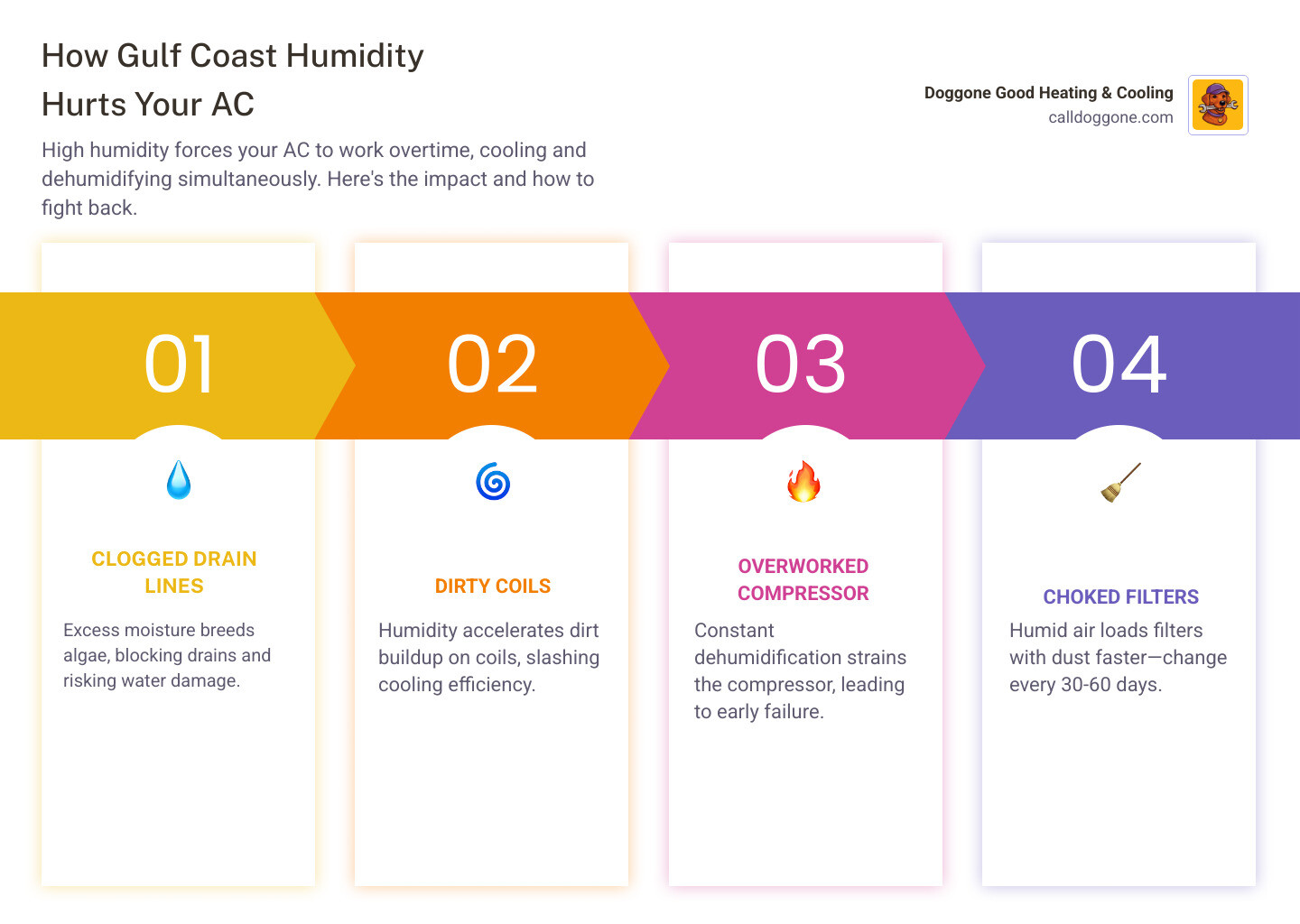
The combination of intense heat and Gulf Coast humidity is especially punishing on HVAC equipment. Moisture in the air means your system works harder to cool and dehumidify your home at the same time. That extra workload adds up, leading to clogged drain lines, overworked compressors, dirty coils, and filters that get choked out faster than they would anywhere else in the country.
The good news? Most AC failures during a Louisiana summer are preventable. With the right prep work — some of it simple enough to do yourself, some better left to a trained technician — you can keep your system running reliably all season long without surprise breakdowns or sky-high energy bills.
How to Make Sure Your AC Survives a Louisiana Summer with Proactive Care
As we move through April 2026, the window for “getting ready” is closing fast. In the Baton Rouge area, we know that the transition from a pleasant spring to a sweltering summer happens almost overnight. Proactive care isn’t just about avoiding a breakdown; it’s about ensuring your system operates at peak efficiency so your energy bills don’t look like a mortgage payment.
Preventative maintenance is the single most effective way to extend the lifespan of your unit. Think of it like your car; you wouldn’t drive from Baton Rouge to the West Coast without checking the oil and tires. Your AC runs for thousands of hours during a South Louisiana summer, often under extreme duress. Investing in HVAC Maintenance now means you won’t be the one calling for an emergency repair on a record-breaking July afternoon.
Why annual tune-ups are essential in 2026
By April 2026, HVAC technology has become more efficient, but also more complex. An annual professional inspection is no longer just a “good idea”—it’s a requirement for a system to survive the local climate. During a professional visit, technicians check refrigerant levels, which is vital because even a small leak can cause your system to freeze up or blow warm air.
We also perform a deep electrical inspection. Heat causes wires to expand and contract, which can loosen connections over time. Cleaning the coils is another major step; a layer of dust or pollen acts as insulation, preventing the refrigerant from absorbing heat from your home. For a deeper look at what we do, check out Chill Out: Your Guide to Professional AC Tune-Up Services in Baton Rouge.
Managing Gulf Coast humidity levels
In places like Prairieville and Gonzales, it’s not just the heat—it’s the humidity. Your AC system is actually your home’s primary dehumidifier. As it cools the air, it pulls moisture out. However, when humidity levels are off the charts, the system can struggle to keep up.
High indoor humidity doesn’t just make you feel sticky; it creates a breeding ground for mold and mildew. Maintaining your system ensures it can effectively manage these levels. If your home still feels muggy despite the AC running, you might need to look into specialized indoor air quality solutions. You can learn more about Keeping Your Home Comfortable Year-Round in South Louisiana to understand how humidity impacts your daily comfort.
Essential DIY Maintenance for Baton Rouge Homeowners
While professional service is a must, there are several things you can do yourself to ensure your cooling system doesn’t tap out early. Taking these steps can significantly reduce system strain and keep airflow moving freely.
A system that can’t “breathe” is a system that is destined to fail. When airflow is restricted, the motor has to work twice as hard to move the same amount of air, leading to overheating and component failure. Following an AC Maintenance Checklist to Lower Energy Bills is a great way to stay organized.
Why changing filters is how to make sure your ac survives a louisiana summer
The simplest task is often the most important: changing your air filters. In Louisiana, we recommend checking them every 30 days and replacing them at least every 60 days during peak usage. If you have pets that shed or family members with allergies, you should definitely stick to the 30-day schedule.
Dirty filters “choke” your HVAC system. They force the blower fan to work harder, which consumes more electricity and wears out the motor. Using a filter with a high MERV rating can catch more dust and pet dander, but make sure your system is rated for it, as high-efficiency filters can sometimes restrict airflow if they are too thick. For more tips on summer prep, see How to Prepare Your Air Conditioner for Louisiana Summer Heat.
Clearing debris around the outdoor unit
Your outdoor condenser unit needs room to breathe. It works by releasing the heat it gathered from inside your house into the outside air. If it’s surrounded by overgrown shrubs, weeds, or piles of leaves, that heat has nowhere to go.
We recommend maintaining at least a 2-foot clearance on all sides of the unit. This allows for optimal airflow and prevents the system from overheating. Be careful when weed-eating near the unit; flying debris can bend the delicate aluminum fins, which restricts air passage. If you’re in Denham Springs or nearby, you can find more localized advice here: Don’t Sweat It: Professional AC Maintenance Near Denham Springs.
Flushing the condensate drain line
Because our air is so humid, your AC produces a lot of water (condensate). This water flows through a plastic drain line. Over time, algae and “slime” can grow in these lines, leading to clogs. A clogged drain line will either trigger a safety switch that shuts off your AC or, worse, cause water to back up and damage your ceiling or floors.
To prevent this, you can flush the line with a cup of distilled white vinegar once a month during the summer. This kills the algae before it can form a blockage. If you notice a musty odor when the air kicks on, it could be a sign of growth in the drain pan or line. For more on this, read Why Your AC Smells Bad When You Turn It On.
Optimizing Your Thermostat and Smart Technology
In 2026, the way we control our climate has evolved. Using a modern Thermostat is one of the easiest ways to manage your energy consumption without sacrificing comfort during a heatwave.
Smart settings: another way how to make sure your ac survives a louisiana summer
Smart Thermostats are a game-changer for Louisiana homeowners. They allow you to program schedules that align with your life. For example, you can set the temperature to 78°F when you’re home—a temperature recommended by the Department of Energy for a balance of comfort and savings—and have it automatically adjust when you leave for work in Zachary or Gonzales.
Remote access also means that if a sudden heatwave hits while you’re at the office, you can check your home’s temperature from your phone to make sure everything is running correctly.
Recommended settings for when you are away
A common myth is that you should turn your AC off completely when you leave the house to save money. In Louisiana, this is a recipe for disaster. If you turn the AC off, the humidity and heat will soak into your furniture and walls. When you get home and turn it back on, the system has to work for hours at maximum capacity just to remove the “heat load” and moisture.
Instead, set your thermostat 5–10 degrees warmer than your usual setting—typically between 80°F and 85°F. Never set it above 85°F. In our humid climate, temperatures above 85°F combined with high moisture create the perfect environment for mold and mildew. If you have pets or indoor plants, you may need to keep it closer to 80°F to ensure their safety. For a deeper dive into these numbers, check out the Best Thermostat Settings.
Recognizing Red Flags and Professional Tune-Up Benefits
Even with the best maintenance, parts can wear out. Knowing the warning signs of a struggling system can save you from a total breakdown. If you notice any of these, it’s time to look into HVAC Tune-Ups before the problem gets worse.
| Feature | DIY Maintenance | Professional Tune-Up |
|---|---|---|
| Filter Replacement | Yes | Included |
| Debris Clearing | Yes | Included |
| Refrigerant Level Check | No (Requires Licensing) | Yes |
| Electrical Component Testing | No (Safety Risk) | Yes |
| Coil Deep Cleaning | Limited (Surface only) | Yes |
| Drain Line Clearing | Yes (Preventative) | Yes (Deep Flush) |
Signs your system is struggling in the heat
Keep your ears and nose open. Strange noises—like banging, squealing, or grinding—usually indicate a mechanical issue like a failing motor or a loose belt. Warm air coming from the vents is a clear sign that something is wrong with the cooling cycle, likely a refrigerant issue or a compressor problem.
Short cycling (when the AC turns on and off every few minutes) is another major red flag. This puts immense strain on the compressor and can lead to a premature death for your unit. If you’re seeing these symptoms, read about the Early Signs Your Air Conditioner Will Fail This Summer.
When to consider a system upgrade
If your AC unit is more than 10 years old and requires frequent repairs, it might be time to consider an upgrade. Modern units have much higher SEER (Seasonal Energy Efficiency Ratio) ratings. A system from 2026 is significantly more efficient than one from 2016, meaning it can cool your home for a fraction of the cost.
If your system is running constantly but your house never feels cool, there could be an underlying issue with the sizing of the unit or the integrity of your ductwork. You can find a detailed breakdown of this problem here: Why Is My AC Running But Not Cooling? Explained.
Frequently Asked Questions about Louisiana AC Care
What is the best temperature to set my AC during a heatwave?
During an extreme heatwave, aim for 78°F while you are home. If this feels too warm, use ceiling fans to create a wind-chill effect, which can make a room feel 4 degrees cooler. Avoid “cranking it down” to 65°F; your AC can generally only cool a home to about 20 degrees lower than the outside temperature. Trying to force it lower will just cause the system to run indefinitely without reaching the goal.
How often should I really change my air filters in Baton Rouge?
While the packaging might say “lasts 90 days,” that doesn’t account for Louisiana humidity and pollen. During the peak of summer, check your filter every 30 days. If it looks gray or dusty, change it. In high-use months, a 30-to-60-day replacement cycle is the best way to protect your system.
What should I do if my AC starts making a loud banging noise?
Turn the system off immediately at the thermostat. A banging noise often indicates a loose or broken part inside the compressor or the blower assembly. Continuing to run the system could turn a simple repair into a total system replacement. Once the system is off, call for a professional inspection.
Conclusion
Surviving a Louisiana summer is a team effort between you and your HVAC system. By staying on top of filter changes, keeping your outdoor unit clear, and using your thermostat wisely, you’re already ahead of the curve. However, nothing replaces the peace of mind that comes from a professional eye.
At Doggone Good Heating & Cooling, we’ve spent years helping our neighbors in Baton Rouge, Prairieville, Denham Springs, Zachary, and Gonzales stay cool when the mercury rises. Our Pack Perks Membership makes it easy and affordable to stay on top of your annual maintenance, ensuring you’re never left sweating in the dark. And if the unthinkable happens, we offer 24/7 emergency response to get your life back to normal.
Don’t wait for the first 100-degree day to find out if your system is ready. Schedule your Residential Air Conditioning Maintenance today and beat the heat before it beats your AC!
About the Author
Doggone Good Heating and Cooling
Doggone Good Heating and Cooling — your local HVAC experts in Baton Rouge, LA.
Need HVAC Service?
Get a free estimate or schedule your service today. Our team is ready to help.
Recent Posts


Related Articles
Ready to Get Started?
Prefer to Call?
Talk with a local technician and get clear next steps for your home.
Call Now(225) 230-9784