Warning Signs Your AC Can’t Handle the Louisiana Humidity
Doggone Good Heating and Cooling

Louisiana heat stressing your AC? Discover how to know if your ac is going bad with key signs, troubleshooting & repair tips.
Is Your AC Keeping Up With the Louisiana Heat? Here’s How to Tell
How to know if your AC is going bad is something every Baton Rouge homeowner should understand — especially heading into another brutal Louisiana summer in April 2026, where the heat and humidity can push even a well-maintained system to its limits.
Here are the most common warning signs your AC is failing:
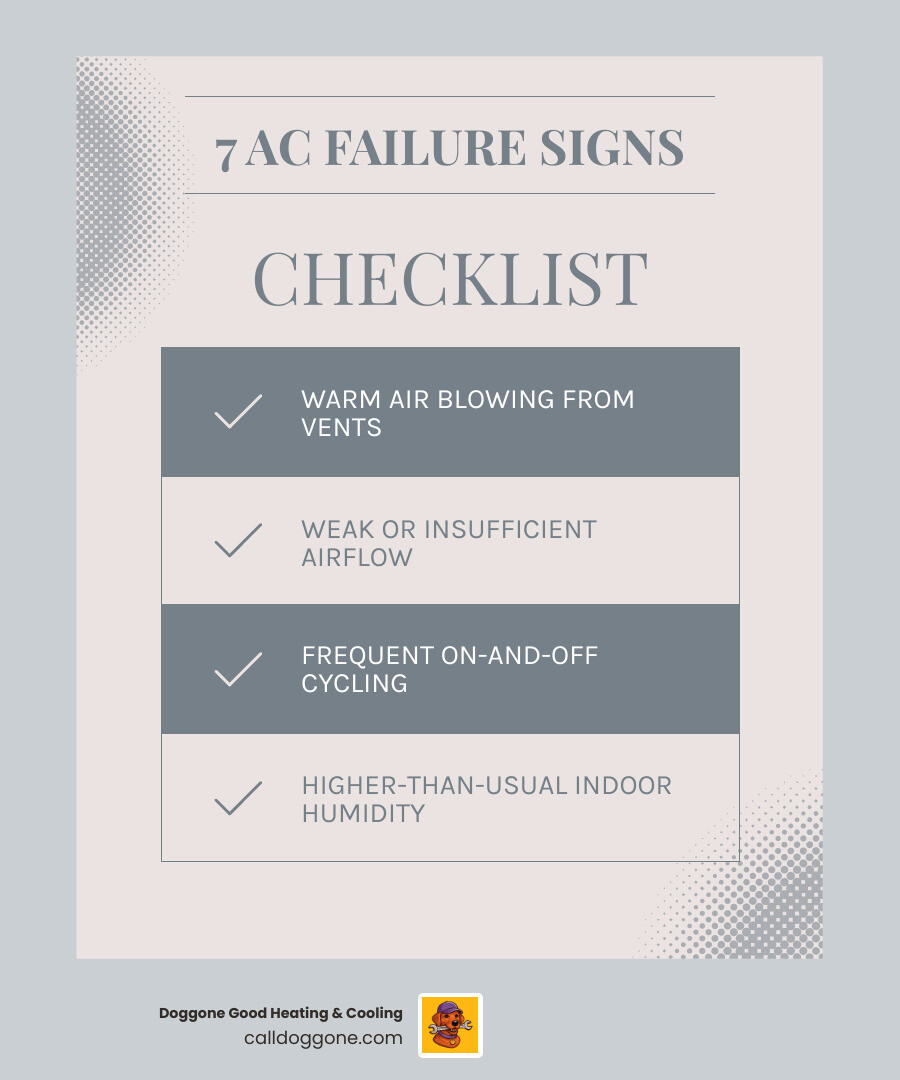
- Warm air blowing from vents instead of cool air
- Weak or insufficient airflow through your vents
- Frequent on-and-off cycling (more than 2-3 times per hour in mild weather)
- Higher-than-usual indoor humidity even with the AC running
- Water leaks around the indoor or outdoor unit
- Unusual odors — musty smells suggest mold, burning smells suggest electrical trouble
- Rising energy bills without a change in usage habits
If you’re noticing one or two of these, your system may just need a tune-up. But if several are showing up at once, that’s often a sign of deeper trouble. Most AC units last 10 to 15 years — and Louisiana’s relentless heat and moisture can shorten that window fast.
We’ll walk through each of these warning signs in detail, explain what’s likely causing them, and help you figure out whether a repair or a full replacement makes more sense for your home.
7 Telltale Signs of How to Know if Your AC is Going Bad
Living in areas like Prairieville or Denham Springs, we know that a functioning air conditioner isn’t just a luxury; it’s a survival tool. When the humidity hits 90% and the temperature climbs, your AC is the only thing standing between you and a very sticky afternoon. But how do you spot the early signs your air conditioner will fail this summer before you’re left in the heat?
- Warm Air Distribution: If you feel lukewarm air coming from your vents, your system is struggling to complete the cooling cycle.
- Poor Airflow: This often points to a dying blower motor or a major blockage in your ductwork.
- Short Cycling: A healthy unit should cycle 2-3 times per hour in mild weather. If it’s turning on and off every few minutes, it’s under immense stress.
- The “Swampy” Feeling: Your AC is responsible for dehumidification. If your skin feels clammy indoors, the system isn’t pulling moisture out of the air effectively.
- Puddles and Drips: Water around your furnace or refrigerant seeping from the outdoor unit are red flags.
- The Nose Knows: Musty, “dirty sock” smells or sharp, acrid burning odors are never normal.
- The Bill Shock: If your April 2026 energy bill looks like a mortgage payment, your unit is likely working overtime to compensate for failing parts.
Understanding Why Your AC Blows Warm Air
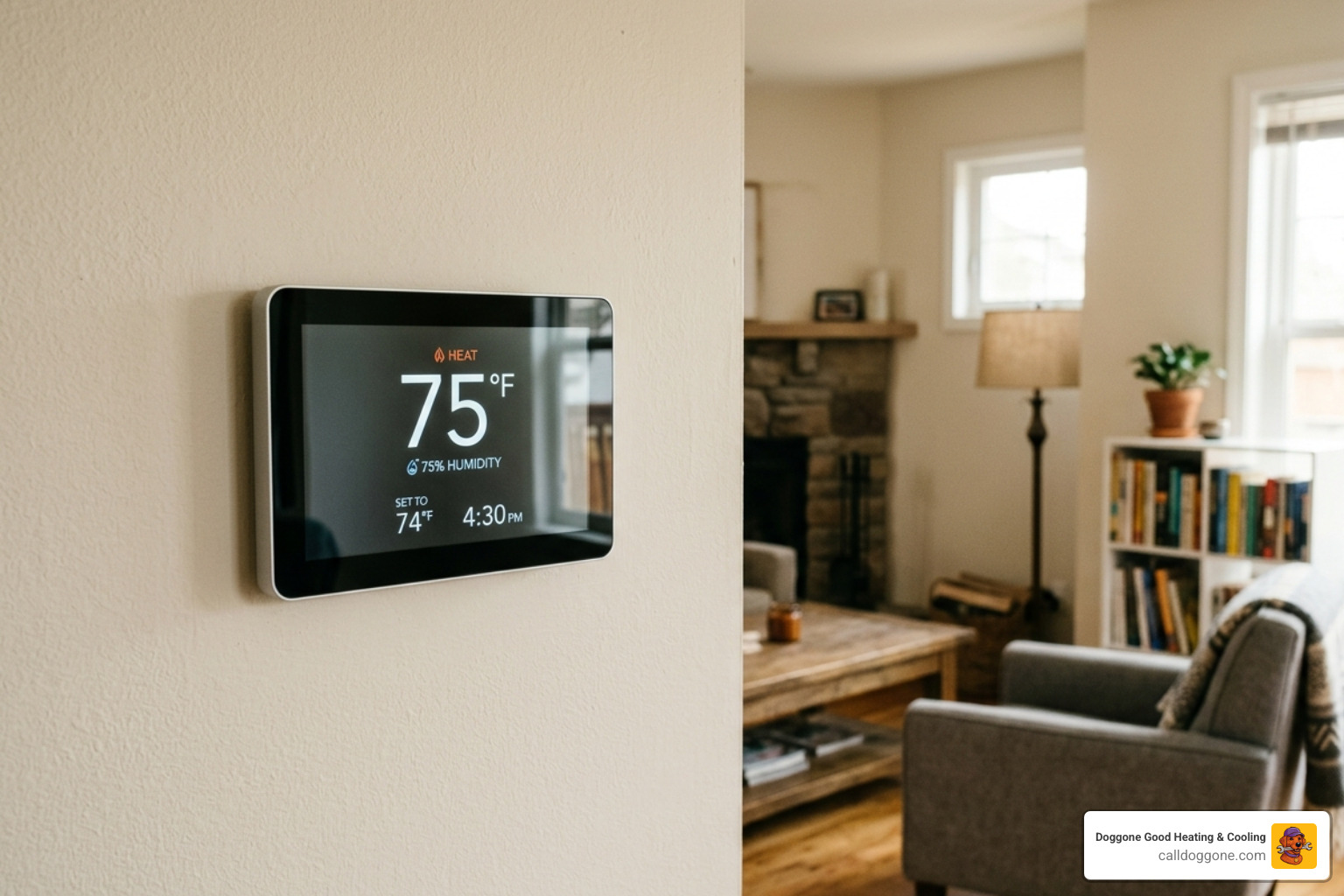
It is incredibly frustrating to set your thermostat to 70 degrees only to have the vents blow air that feels like a hair dryer. When this happens, we first recommend checking your thermostat settings. Ensure it hasn’t been switched to “On” instead of “Auto,” which keeps the fan running even when the cooling components are off.
If the settings are correct, you might be dealing with a refrigerant leak or a failing compressor. Refrigerant is the lifeblood of the system; without enough of it, the unit cannot absorb heat from your home. This is one of the top reasons your AC is not cooling properly. Because refrigerant is a hazardous chemical, finding and fixing these leaks is a job that requires professional tools and certification.
How to Know if Your AC is Going Bad Based on Airflow Quality
Sometimes the air is cold, but it’s barely a whisper coming out of the registers. This “weak” airflow is a classic sign of a system on its last legs. The most common culprit is a severely clogged air filter. We recommend changing your filters every 90 days — or even every month if you have pets or allergies — to prevent the blower motor from burning out.
If the filter is clean, the problem might be deeper. A failing blower motor or damaged ductwork can prevent air from reaching your rooms. In some cases, leaky ducts can lose up to 30% of your cooled air before it ever reaches the vent. Understanding why is my AC running but not cooling explained often comes down to these mechanical or structural blockages that force the system to work twice as hard for half the result.
Identifying Critical Component Failures in the Baton Rouge Heat
In Zachary and Gonzales, our systems face a unique challenge: the “silent killers” of HVAC units. These are the internal failures that you can’t see but definitely feel. When a major component like the compressor or the evaporator coil gives out, you need residential AC repair immediately to prevent a total system meltdown.
How to Know if Your AC is Going Bad: Identifying Compressor Failure
The compressor is the heart of your air conditioner. It’s located in the outdoor unit and is responsible for circulating refrigerant. If the compressor fails, the cooling process stops entirely.
Common signs of a bad compressor include:
- Hard Starting: The outdoor unit shudders or struggles to kick on when the thermostat calls for cooling.
- Clicking Noises: This often indicates an electrical relay issue or a compressor that is trying to start but can’t.
- Tripped Breakers: If your AC is constantly tripping the circuit breaker, the compressor may be pulling too much power as it overheats.
These are signs your HVAC system needs professional service because a failing compressor can lead to an electrical fire or permanent damage to the rest of the unit.
Recognizing Refrigerant Leaks and Frozen Coils
Have you ever noticed ice forming on your AC unit in the middle of a 90-degree Louisiana day? It seems impossible, but frozen coils are a major sign of trouble. This usually happens because of restricted airflow or low refrigerant levels. When the refrigerant is low, the coils get too cold and freeze the moisture pulled from the air.
You might also hear a hissing or bubbling sound, which is the sound of refrigerant gas escaping. If you notice a sweet, chemical smell, it’s likely a leak. We often get asked why your AC smells bad when you turn it on, and while musty smells are common, a chemical or “sweet” odor is a sign that you need to shut the system down and call for help.
The Impact of System Age and Rising Utility Costs
Time waits for no one, and that includes your HVAC system. By April 2026, many homes in the Baton Rouge area are still running units installed over a decade ago. While we all want our appliances to last forever, the reality is that efficiency drops significantly after the 10-year mark.
If you are constantly calling for repairs, you have to weigh the cost of those “band-aid” fixes against the long-term savings of a new system. Deciding whether you should repair or replace an old air conditioner in Baton Rouge often comes down to the “5,000 Rule”: multiply the age of the unit by the repair cost. If the total is more than $5,000, a replacement is usually the smarter financial move.
When is an AC Unit Too Old to Save?
Most modern units have a lifespan of 10 to 15 years. In our local climate, the high humidity causes parts to rust and corrode faster than they might in a drier state. Additionally, older units often use R-22 (Freon), a refrigerant that has been phased out. If an R-22 unit develops a major leak, the cost to source the discontinued gas is often so high that it makes more sense to upgrade to a modern, eco-friendly system.
Why Your Energy Bills are Spiking in 2026
If your usage hasn’t changed but your bills are climbing, your AC is likely “laboring.” This means it’s running longer cycles to reach the same temperature. Dirty condenser coils, a struggling motor, or even a build-up of Louisiana pollen and dust can reduce efficiency.
| Feature | Old SEER Standards (Pre-2015) | New SEER2 Standards (2026) |
|---|---|---|
| Average Rating | 10 – 13 SEER | 14.3 – 20+ SEER2 |
| Efficiency | Lower; uses more watts per BTU | High; optimized for humidity |
| Monthly Cost | Significantly Higher | 20-40% Lower |
| Lifespan | Likely near end-of-life | 15+ years with maintenance |
Following a consistent AC maintenance checklist to lower energy bills can help, but eventually, the mechanical wear becomes too much for even the best tune-up to overcome.
Simple Troubleshooting Steps Before Calling a Technician
Before you panic and assume you need a whole new system, there are a few DIY steps you can take. We love helping our neighbors save a service call when the fix is something simple!
- The Filter Test: Hold your filter up to a light. If you can’t see light through it, replace it. This is the #1 cause of AC “failures.”
- Thermostat Check: If the screen is blank, try replacing the batteries. Ensure it is set to “Cool” and the temperature is at least 5 degrees below the room temp.
- Breaker Box: Check your electrical panel. If the AC breaker is flipped to the middle, turn it all the way off and then back on.
- Outdoor Inspection: Clear away any tall grass, weeds, or debris from around your outdoor unit. It needs at least 2-3 feet of “breathing room” to shed heat.
When to Call a Professional HVAC Technician
While changing a filter is easy, other issues are dangerous to tackle alone. You should always call for HVAC repair services if you encounter:
- Electrical Buzzing: This indicates a short circuit or failing capacitor.
- Refrigerant Handling: It is illegal and dangerous for non-certified individuals to handle refrigerant.
- Internal Component Replacement: Working with high-voltage motors or delicate evaporator coils requires specialized training to avoid voiding your warranty.
Frequently Asked Questions about Failing Air Conditioners
Why is my AC short cycling?
Short cycling occurs when the unit turns on, runs for a few minutes, and shuts off before the house is cool. This can be caused by an oversized unit (it cools the air too fast but doesn’t remove humidity), a frozen evaporator coil, or a thermostat placed too close to a heat source like a sunny window.
What do unusual AC noises indicate?
- Grinding: Usually a sign of worn-out bearings in the blower motor.
- Squealing: Often a slipping or frayed fan belt.
- Banging: Indicates a loose part, like a connecting rod or crankshaft, inside the compressor.
- Hissing: Almost always a sign of a refrigerant leak.
Is high indoor humidity a sign of failure?
Yes! Your AC is essentially a giant dehumidifier. If your home feels muggy or you notice condensation on your windows, your system isn’t running long enough cycles to pull moisture out, or the evaporator coils are too dirty to do their job. This can eventually lead to mold growth in your ductwork.
Conclusion: Keeping Your Baton Rouge Home Cool
At Doggone Good Heating & Cooling, we’ve seen it all — from systems clogged with Zachary pollen to compressors that just couldn’t handle one more 100-degree day in Gonzales. Understanding how to know if your AC is going bad is the first step in protecting your home’s comfort and your family’s health.
Don’t wait for a total breakdown in the middle of a July heatwave. Whether you need a quick fix, a seasonal tune-up, or a full system replacement, our team is here to provide honest, reliable, and locally attuned service. We offer 24/7 emergency response because we know that AC problems don’t always happen during business hours.
If your system is showing any of these warning signs, reach out to us for expert residential AC repair. We’ll get your home back to being the cool, comfortable sanctuary it should be. Give us a whistle — we’re ready to help!
About the Author
Doggone Good Heating and Cooling
Doggone Good Heating and Cooling — your local HVAC experts in Baton Rouge, LA.
Need HVAC Service?
Get a free estimate or schedule your service today. Our team is ready to help.
Recent Posts


Related Articles
Ready to Get Started?
Prefer to Call?
Talk with a local technician and get clear next steps for your home.
Call Now(225) 230-9784