How to Identify Waste with a Home Energy Audit
Doggone Good Heating and Cooling


Discover how an energy audit identifies waste in your home with a professional assessment that pinpoints air leaks, duct issues, and efficiency upgrades for lower energy bills in Baton Rouge.
My energy bills are extremely high. Who conducts home energy audits to find waste in Baton Rouge?
How an energy audit identifies waste in your home starts with one uncomfortable truth: the U.S. Department of Energy estimates that 25 to 40 percent of the energy used in a typical American home is simply wasted. For Baton Rouge homeowners already fighting high humidity, long cooling seasons, and the occasional cold snap, that waste adds up fast — often showing up as sky-high utility bills and a home that never quite feels comfortable no matter how hard your HVAC system works.
A home energy audit is essentially a physical exam for your house. An auditor — or even you, with the right approach — systematically identifies where conditioned air is escaping, where insulation is failing, and where your heating and cooling equipment is working harder than it should. The result is a clear picture of what’s driving your energy costs and, more importantly, what you can actually do about it.
Here is a quick overview of how an energy audit finds energy waste:
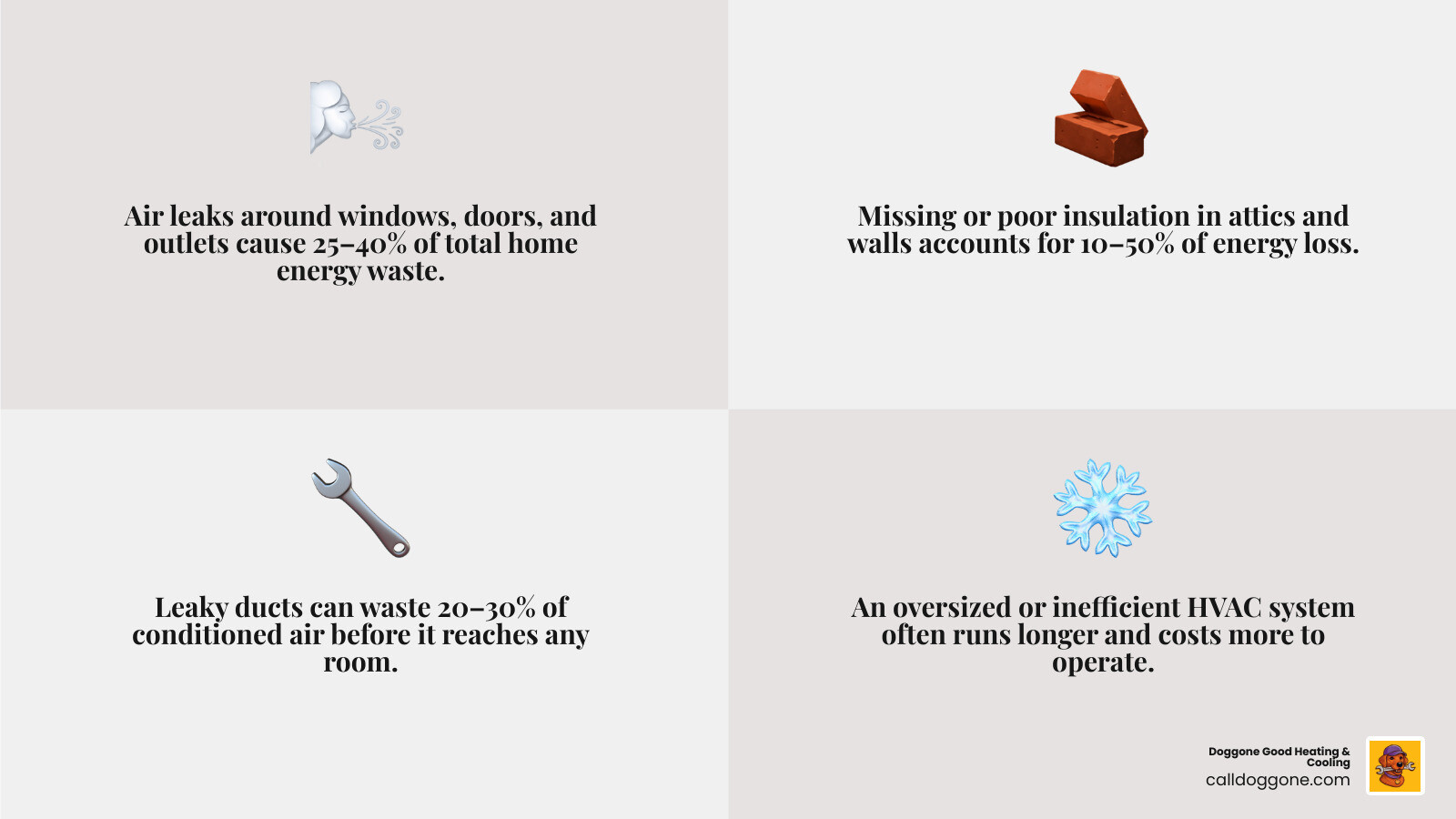
- Air leak detection — locates gaps around doors, windows, outlets, and ductwork where conditioned air escapes
- Insulation assessment — checks attic, walls, and floors for missing or inadequate insulation (which can account for 10–50% of energy loss)
- Duct leakage testing — identifies duct gaps that can waste 20–30% of your conditioned air before it reaches a room
- HVAC system evaluation — assesses whether your heating and cooling equipment is sized correctly and running efficiently
- Appliance and lighting review — spots energy-hungry appliances and lighting that quietly drain your electricity
- Utility bill analysis — establishes your baseline energy consumption and flags seasonal spikes worth investigating
Learn more about how an energy audit identifies waste in your home:
- energy efficiency improvements that pay for themselves
- energy efficiency tips for louisiana homeowners
What is a Home Energy Assessment and How Does It Work?
At its core, a home energy assessment (also known as a home energy audit) is a comprehensive diagnostic process designed to evaluate your home’s total energy consumption. Instead of looking at your house as a collection of isolated rooms, an audit treats it as an interconnected system. The boundary that separates your air-conditioned living spaces from the harsh Louisiana elements is known as the “building envelope” or “building enclosure.”
During an audit, we examine how well this envelope keeps the cool air in and the muggy, heavy air out. To do this, we look at your historical utility bills to establish baseline patterns. This helps us understand your typical energy load during the mild spring and autumn months versus the peak cooling demands of July and August.
By analyzing these baselines and inspecting your home’s physical structure, an energy assessment determines exactly where and why energy is escaping. It bridges the gap between knowing your bills are high and knowing exactly which wall, duct, or window is responsible. The goal of Energy Audits is to provide a clear, data-driven roadmap to restore your home comfort, protect your HVAC system, and lower your monthly expenses.
How an Energy Audit Identifies Waste in Your Home
So, how does this diagnostic process actually pinpoint the waste? It mostly comes down to building science. One of the primary drivers of energy waste is a physical phenomenon known as the “stack effect.”
Warm air naturally rises. In the winter, warm air inside your home climbs to the ceiling and escapes through tiny cracks into your attic. As that air leaves, it creates a negative pressure zone at the bottom of your house, which sucks cold drafts in through crawl spaces, electrical outlets, and gaps around your floorboards. In our hot Baton Rouge summers, this process can reverse or shift, pulling humid, superheated attic air down into your living spaces through unsealed ceiling penetrations.
An energy audit tracks down this unwanted air infiltration. It also identifies “thermal bypasses” — areas where heat is allowed to take a direct shortcut into your home. Common bypasses include uninsulated wall cavities, gaps around chimney flues, and unsealed recessed lighting. When these thermal shortcuts exist, they force your air conditioner to work double-time. You can learn more about how these issues impact your system by reading about How High Energy Bills Signal HVAC Problems.
Beyond the Surface: How an Energy Audit Identifies Waste in Your Home’s Hidden Spaces
While it is easy to spot a drafty front door, some of the most severe energy leaks are completely invisible to the naked eye. An energy audit shines a light on these hidden spaces, including:
- The Attic Hatch: Often overlooked, an uninsulated attic hatch or pull-down stair cover acts like an open window directly into a 130-degree attic.
- Plumbing Vents and Chase Ways: Pipes running from your bathrooms and kitchen up through your attic usually have large gaps around them. These gaps act as direct chimneys for hot, humid air to pour into your home.
- Knee Walls: In homes with finished attics or multi-level layouts, knee walls (short vertical walls supporting rafters) are notorious for lacking proper backing and sealing, allowing attic heat to migrate straight into your bedrooms.
Without proper sealing and balanced Attic Ventilation, these hidden spaces act like a silent tax on your monthly utility bills.
Evaluating Heating and Cooling Efficiency
Since heating and cooling make up about 52% of the energy used in U.S. homes, evaluating your HVAC system is a massive component of any audit. We don’t just look at whether the system turns on; we evaluate its overall health, age, and performance.
An audit looks closely at your HVAC lifespan. As systems age, they naturally lose efficiency, especially if they haven’t received regular care. By identifying an outdated or struggling unit, an audit can help you plan for energy-efficient upgrades before a catastrophic breakdown occurs in the middle of a heatwave.
Furthermore, we look at sizing. Many homes in East Baton Rouge Parish suffer from oversized or undersized AC units. An oversized system will turn on and off rapidly (short-cycling), which wastes energy and fails to remove humidity. An undersized system will run constantly, driving up your bills while wearing itself out. By utilizing precise Load Calculations & System Sizing, we can determine the exact capacity your home needs, ensuring you invest only in Energy Upgrades That Literally Pay for Themselves.
Key Areas of Energy Loss: Air Leaks and Ductwork
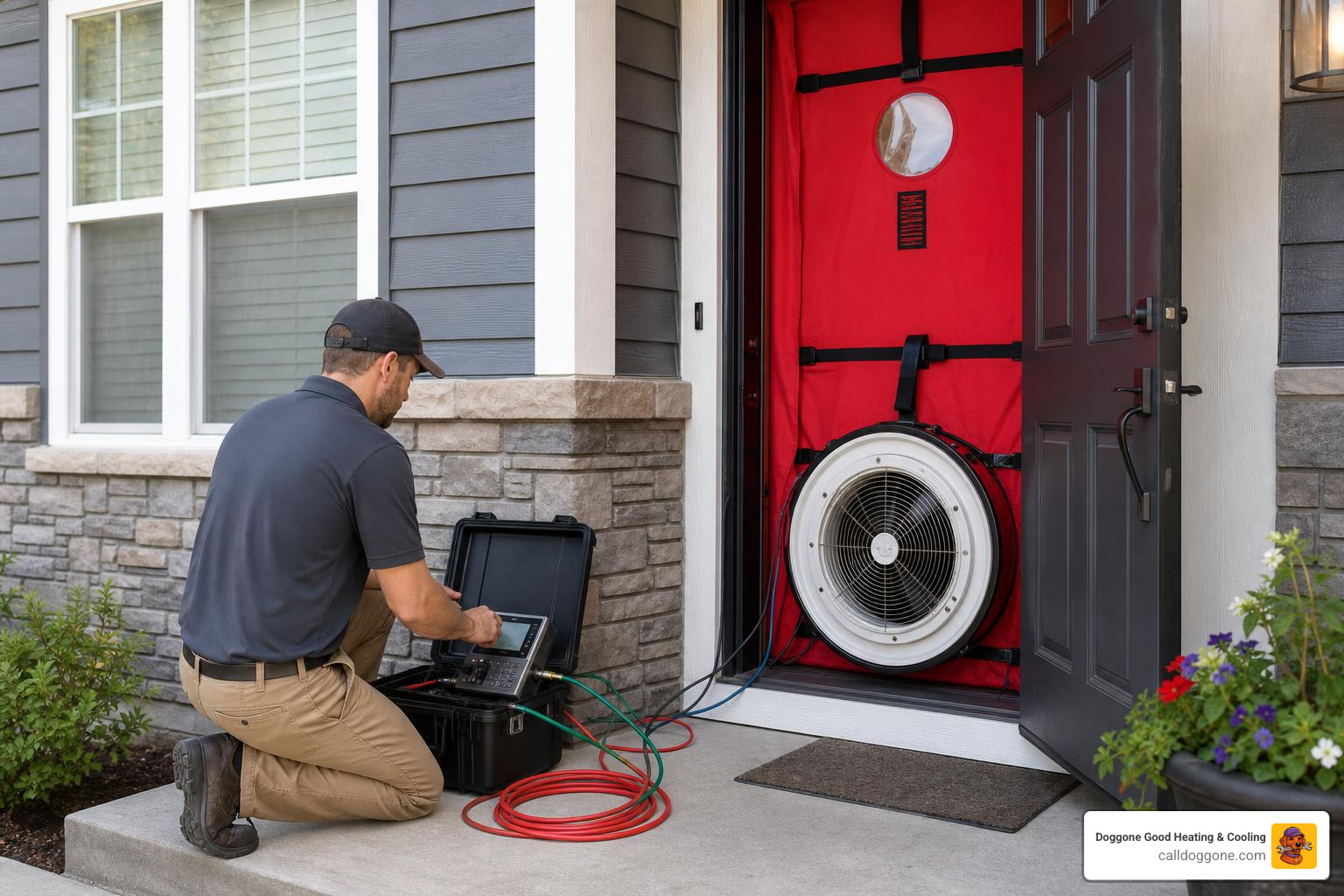
When it comes to lost comfort, air leaks and ductwork issues are almost always the primary suspects. Your home’s ductwork is the highway system for your indoor climate. Unfortunately, the typical home loses 20 to 30 percent of its conditioned air through duct leaks before it ever reaches a single register.
Think of it this way: you are paying to cool and dehumidify your air, only for a quarter of it to dump directly into your unconditioned attic or crawl space. This duct leakage forces your system to pull in dirty, humid air from those same unconditioned spaces to replace what was lost, degrading your indoor air quality and leaving your rooms feeling sticky.
Addressing these issues through targeted air sealing and duct repairs stops this waste in its tracks. To understand just how destructive these hidden leaks can be, check out our guide on why Leaky Ducts Are Energy Vampires and Here Is How to Stop Them.
The Impact of Leaky Ducts on Your HVAC System
When your ducts leak, it doesn’t just waste energy; it actively damages your heating and cooling equipment. The drop in airflow caused by leaky or collapsed ducts places immense strain on your system’s blower motor, which can cause the entire system to overheat or freeze up.
By prioritizing professional Duct Sealing, you restore balanced pressure throughout your home, allowing air to circulate freely and efficiently. Additionally, ensuring proper Ductwork Insulation prevents condensation from forming on your ducts during humid Louisiana summers, protecting your ceilings from water damage and mold growth.
Professional vs. DIY Energy Assessments
While any effort to identify energy waste is a step in the right direction, there are distinct differences between a professional assessment and a do-it-yourself walk-through.
| Feature | Professional Energy Audit | DIY Energy Assessment |
|---|---|---|
| Primary Tools | Blower door, infrared camera, combustion safety meters | Flashlight, incense sticks, tape measure |
| Accuracy | High; provides exact air exchange rates (CFM50) | Moderate; relies on visual cues and physical touch |
| Safety Testing | Includes carbon monoxide and combustion back-draft testing | None |
| Depth of Analysis | Evaluates hidden wall cavities, duct integrity, and system sizing | Limited to visible spaces and surface-level drafts |
| Incentive Eligibility | Qualifies for federal tax credits and utility rebates | Generally does not qualify for official incentives |
While a DIY checklist is a fantastic way to start taking control of your home’s efficiency, a professional audit utilizes advanced diagnostics like infrared thermography and combustion safety testing to ensure your home is not only efficient but also safe from hazards like carbon monoxide back-drafting.
Whether you decide to go pro or start on your own, keeping up with basic system care is essential. Take a look at our AC Maintenance Checklist to Lower Energy Bills to see how simple, routine steps can make a massive difference.
DIY Steps: How an Energy Audit Identifies Waste in Your Home Without Professional Tools
If you aren’t ready to schedule a professional audit just yet, you can still find a significant amount of waste on your own with a few simple techniques:
- The Incense Test: On a windy day, turn off your HVAC system and turn on all your home’s exhaust fans (bathroom and kitchen vents). This creates a slight negative pressure inside your home. Walk around windows, doors, baseboards, and outlets with a lit incense stick. Wherever you see the smoke blow sideways, you have found an active air leak.
- The Dollar Bill Test: Close a door or window on a dollar bill. If you can pull the bill out easily without any resistance, your weatherstripping is worn out and needs to be replaced.
- The Attic Inspection: Carefully climb into your attic with a flashlight. Look at your insulation. Is it level with or below your floor joists? If so, you likely need a top-off. Also, look for dirty spots in your fiberglass insulation; these dark areas act like air filters, indicating where air is actively leaking from your home into the attic.
By identifying these easy-to-fix gaps, you can seal them with caulk or fresh weatherstripping over a weekend. To find out how staying on top of these small tasks saves you money in the long run, read about How Regular Maintenance Keeps Your Bank Account from Breaking.
Preparing Your Baton Rouge Home for a Professional Assessment
If you decide to bring in a professional auditor, a little preparation goes a long way. To get the absolute most out of your assessment, we recommend taking the following steps:
- Gather Your Utility Bills: Have at least 12 to 24 months of electricity and gas bills handy. This historical data allows your auditor to spot seasonal spikes and calculate your baseline energy use.
- Clear the Way: Make sure all areas of your home are easily accessible. This means clearing clutter away from your attic access, crawl space entryways, HVAC closets, and electrical panels.
- List Your Concerns: Write down any specific issues you’ve noticed. Are there specific rooms that are always too hot or too cold? Have you noticed strange odors or excessive dust? Sharing these clues helps your auditor target their investigation.
- Leave Thermostat Settings Alone: Keep your home at its normal, everyday temperature before the auditor arrives so they can get an accurate snapshot of how your home operates under typical conditions.
Frequently Asked Questions About Home Energy Assessments
What are the most common sources of energy waste found during audits?
The most frequent culprits of energy waste are air leaks around windows, doors, and plumbing penetrations, inadequate or uneven attic insulation, and duct leakage. Outdated, poorly maintained, or improperly sized HVAC systems also rank high on the list, as they must work significantly harder to keep up with Louisiana’s intense humidity.
How much energy can I save after implementing audit recommendations?
While every home is unique, the Department of Energy estimates that the average homeowner can expect a 5% to 30% reduction in their monthly energy costs after implementing the recommendations of a comprehensive audit. These savings are achieved through a combination of simple air sealing, insulation upgrades, and high-efficiency HVAC improvements.
Are there tax credits or incentives available for energy efficiency upgrades in 2026?
Yes! Under the Inflation Reduction Act, homeowners making qualified energy-efficient improvements can claim substantial federal tax credits. In 2026, you can receive a tax credit specifically for a professional home energy audit that includes a written report. Additionally, qualified improvements like insulation, air sealing, and high-efficiency heat pumps can qualify for annual tax credits to help offset the investment.
Conclusion
Understanding how an energy audit identifies waste in your home is the first step toward a more comfortable, affordable, and sustainable living space. Whether you are dealing with hot spots in Prairieville, drafty rooms in Zachary, or rising utility bills in Gonzales, Denham Springs, or Baton Rouge, you don’t have to guess where your hard-earned money is escaping.
At Doggone Good Heating & Cooling, we are dedicated to providing honest, reliable, and locally attuned HVAC services. Our expert team is here to help you navigate your home’s energy needs with professional consultations and top-tier comfort solutions.
Ready to stop the waste and start saving? Reach out to us today to explore our Doggone Good Heating & Cooling Energy Efficiency Services and let us help you keep your home comfortable all year long!
About the Author
Doggone Good Heating and Cooling
Doggone Good Heating and Cooling — your local HVAC experts in Baton Rouge, LA.
Need HVAC Service?
Get a free estimate or schedule your service today. Our team is ready to help.
Recent Posts


Related Articles
Ready to Get Started?
Prefer to Call?
Talk with a local technician and get clear next steps for your home.
Call Now(225) 230-9784